
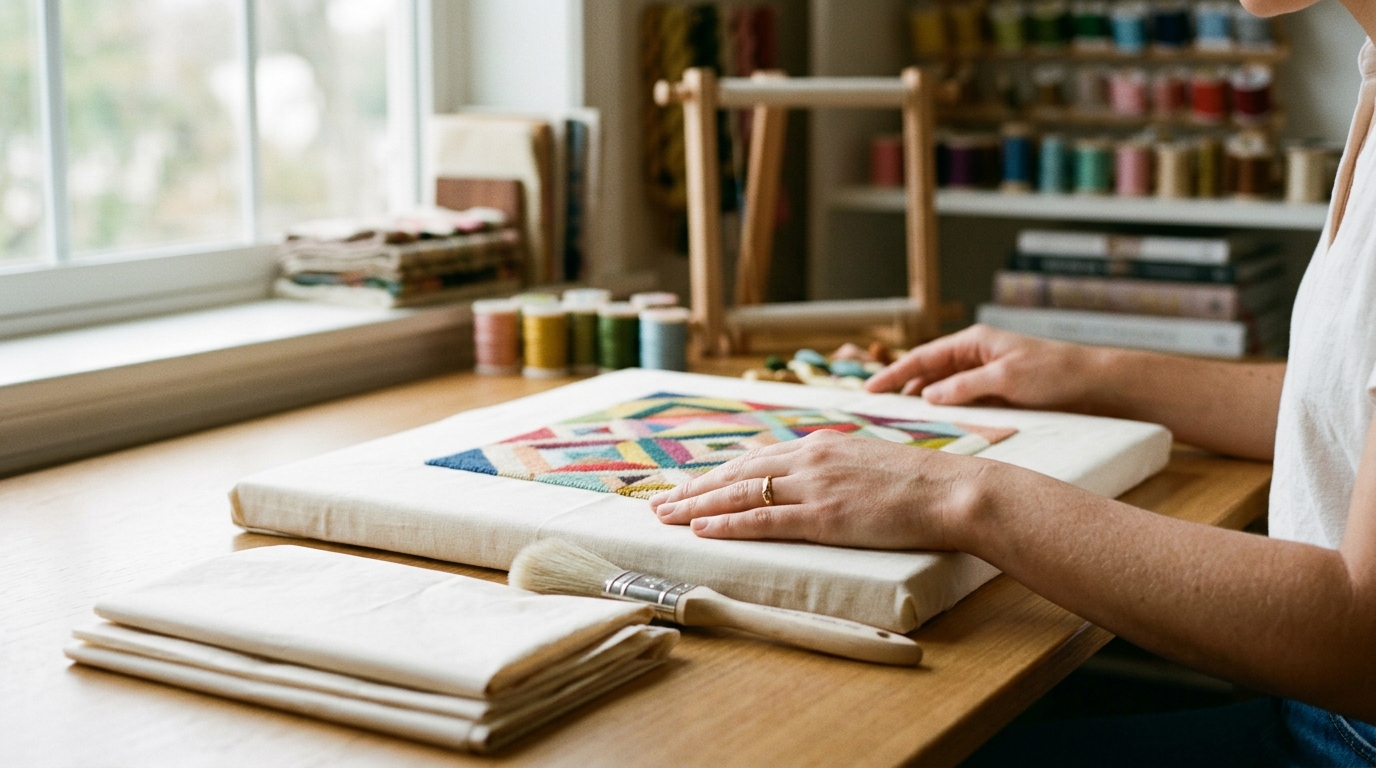
You poured dozens (or hundreds) of hours into your needlepoint project. The last thing you want is for dust, sunlight, or a careless spill to undo all that beautiful work. Whether you just finished your first canvas from our beginner-friendly collection or you are maintaining a treasured heirloom, proper care keeps your stitching vibrant for generations. In this tutorial we cover every step, from routine dusting to long-term storage, so your handmade needlepoint looks as good in ten years as it does today.
Why Needlepoint Care Matters
Needlepoint is a form of counted-thread embroidery worked on an open-weave canvas, typically using wool, silk, or cotton fibers. Each piece represents significant creative investment. Over time, dust, moisture, and ultraviolet light can degrade both fibers and dyes, leading to fading, yellowing, or even mold growth.
Caring for your needlepoint is not just about aesthetics. It protects the structural integrity of the canvas and the threads you carefully selected from suppliers like our curated thread collection. A simple maintenance routine can extend the life of a finished piece by decades.
Routine Dusting and Vacuuming
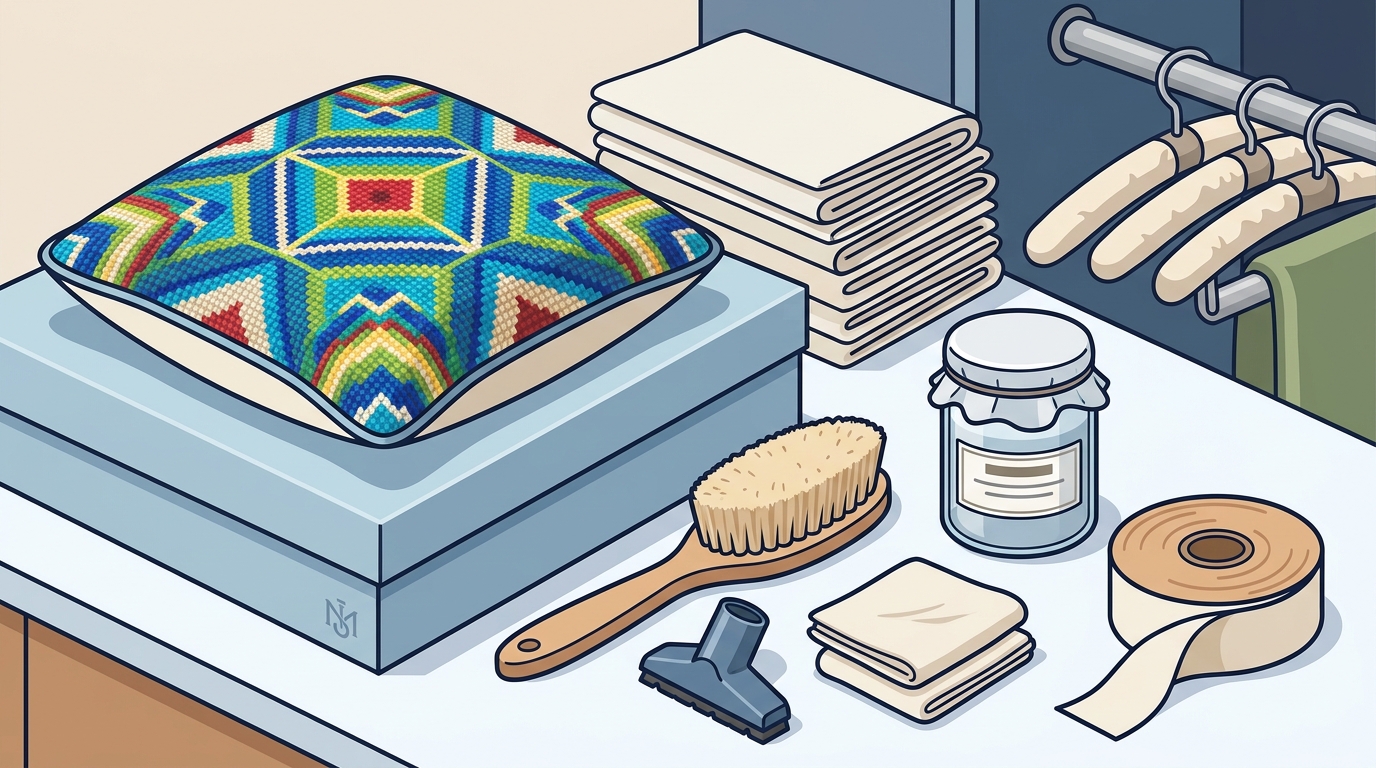
The easiest way to maintain needlepoint is regular, gentle dusting. Use a soft, lint-free cloth and lightly sweep in one direction to avoid snagging threads. For larger items such as pillows or wall hangings, a low-suction vacuum with a soft brush attachment works well.
Vacuum Safety Tips
Cover the vacuum nozzle with a piece of nylon mesh or cheesecloth. This prevents the suction from pulling loose threads. Keep the nozzle slightly above the surface rather than pressing directly onto the stitching. Always test on a small, inconspicuous area first.
Spot Cleaning Stains Safely
Test for Colorfastness First
Colorfastness is the ability of a dyed fiber to resist fading or bleeding when exposed to water. Before any wet cleaning, test every thread color. Dip a cotton swab in lukewarm water and dab it on one color at a time. If pigment transfers to the swab, avoid water-based cleaning for that area entirely.
The Blotting Method
For isolated stains, dampen a clean white cloth with a mild detergent solution and gently blot the soiled area. Never rub, as rubbing can distort stitches. Blot with a second dry cloth to lift moisture. Club soda can also work on fresh spills; the carbonation helps lift dirt without harsh chemicals.
Deep Cleaning and Hand Washing
If your piece needs more than spot treatment, hand washing is the safest approach. Remove any backing, inserts, or hardware first. Fill a clean basin with cool water and add a small amount of gentle, dye-free detergent. Submerge the piece and let it soak for roughly 10 minutes without agitation.
Drain the basin and refill with clean water to rinse. Repeat until no soap remains. To dry, lay the piece flat on a clean towel and gently roll to absorb excess moisture. Never wring, twist, or hang needlepoint to dry, as this can cause permanent stretching or warping.
When to Call a Professional
Pieces made with silk, metallic threads, or specialty fibers from collections like our needlepoint accessories line may require professional textile conservation. Heirloom or antique needlework should always be evaluated by a specialist before any water-based cleaning.
Blocking After Cleaning
Blocking is the process of reshaping a damp needlepoint canvas to its original dimensions after cleaning. Pin the piece to a padded board using stainless steel pins, gently stretching it to the correct measurements. Let it dry completely while secured in place; this can take up to 48 hours depending on humidity.
If you are unsure about blocking at home, many local needlepoint shops offer finishing and self-finish services that include professional blocking.
| Method | Best For | Risk Level | Tools Needed |
|---|---|---|---|
| Dusting / Vacuuming | Routine maintenance | Very low | Soft cloth, mesh-covered vacuum |
| Spot Cleaning | Isolated stains | Low | Cotton swab, mild detergent, white cloth |
| Hand Washing | Overall soiling | Moderate | Basin, gentle detergent, towels |
| Professional Dry Cleaning | Silk, metallics, antiques | Low (with expert) | Textile conservator |
Proper Storage Techniques
When you need to store a finished needlepoint piece, roll it around an acid-free cardboard tube with the stitched side facing outward. Wrap the roll in acid-free tissue paper and place it inside a breathable fabric bag. Never fold needlepoint; folding can create permanent creases that distort the design.
Store the wrapped piece in a cool, dry location away from attics, basements, or anywhere with fluctuating temperatures. A climate-controlled closet is ideal. Mothballs and cedar chips can leave residue on fibers, so opt for lavender sachets if pest prevention is a concern.
Display Tips to Prevent Damage
Sunlight is the number-one enemy of displayed needlepoint. Position framed pieces away from windows or use UV-protective glass as recommended by the Library of Congress for textile preservation. Rotate displayed pillows and seat covers regularly to distribute wear evenly.
For framing, always use acid-free matting materials. Avoid pressing glass directly against the stitching; a spacer keeps the fabric from trapping moisture against the glass. If you are looking for fresh canvases to frame, browse our full canvas collection for modern designs worth displaying.
Key Takeaways
- Dust or vacuum needlepoint regularly using low suction and a mesh-covered nozzle.
- Always test thread colorfastness before using any water-based cleaning method.
- Blot stains gently with a mild detergent; never rub or scrub the stitched surface.
- Hand wash only when necessary, using cool water and dye-free soap.
- Block cleaned pieces on a padded board with stainless steel pins and let them dry flat.
- Store rolled (never folded) in acid-free tissue inside a breathable bag in a cool, dry place.
- Display away from direct sunlight and use UV-protective glass for framed pieces.
Frequently Asked Questions
Can I put needlepoint in the washing machine?
No. Machine washing can distort the canvas, break threads, and cause dyes to bleed. Hand washing in cool water with a gentle detergent is the safest wet-cleaning method for needlepoint.
How often should I dust my needlepoint?
For displayed pieces, a light dusting every two to four weeks is sufficient. High-traffic items like pillows benefit from gentle vacuuming once a month.
What detergent is safe for needlepoint?
Use a mild, dye-free, fragrance-free liquid detergent designed for delicates. Brands labeled safe for wool and silk are a good choice. Avoid bleach and optical brighteners.
How do I remove a stain from a needlepoint pillow?
Blot the stain immediately with a clean white cloth to absorb excess liquid. Then dab with a cloth dampened in mild soapy water. Rinse by blotting with a water-dampened cloth, and let the pillow air dry away from heat.
Is dry cleaning safe for needlepoint?
Professional dry cleaning can work for robust wool pieces, but always ask the cleaner to use fresh solvent and avoid steam pressing. For silk or metallic-thread pieces, consult a textile conservator instead.
How should I store needlepoint ornaments seasonally?
Wrap each ornament individually in acid-free tissue paper. Place them in a sturdy box with dividers so they are not stacked or compressed. Store the box in a cool, dry closet.
Does sunlight really fade needlepoint?
Yes. Prolonged exposure to both natural sunlight and fluorescent lighting causes UV damage that fades dyes over time. UV-protective glass and strategic placement help preserve colors.
Where can I learn basic needlepoint techniques?
Our Needlepoint 101 guide covers everything from cutting threads to mastering Continental and Basketweave stitches, perfect for beginners and experienced stitchers alike.
Ready to Start Your Next Project?
Now that you know how to keep your needlepoint looking its best, it is time to create something new. Visit The Red Thread Atelier online or stop by our shop in Locust Valley, NY, to explore curated canvases, premium threads, and custom design services. Let us help you stitch something worth preserving.